Soft Washing: The Safe Way to Clean Norfolk's Period Clay Pantile Roofs
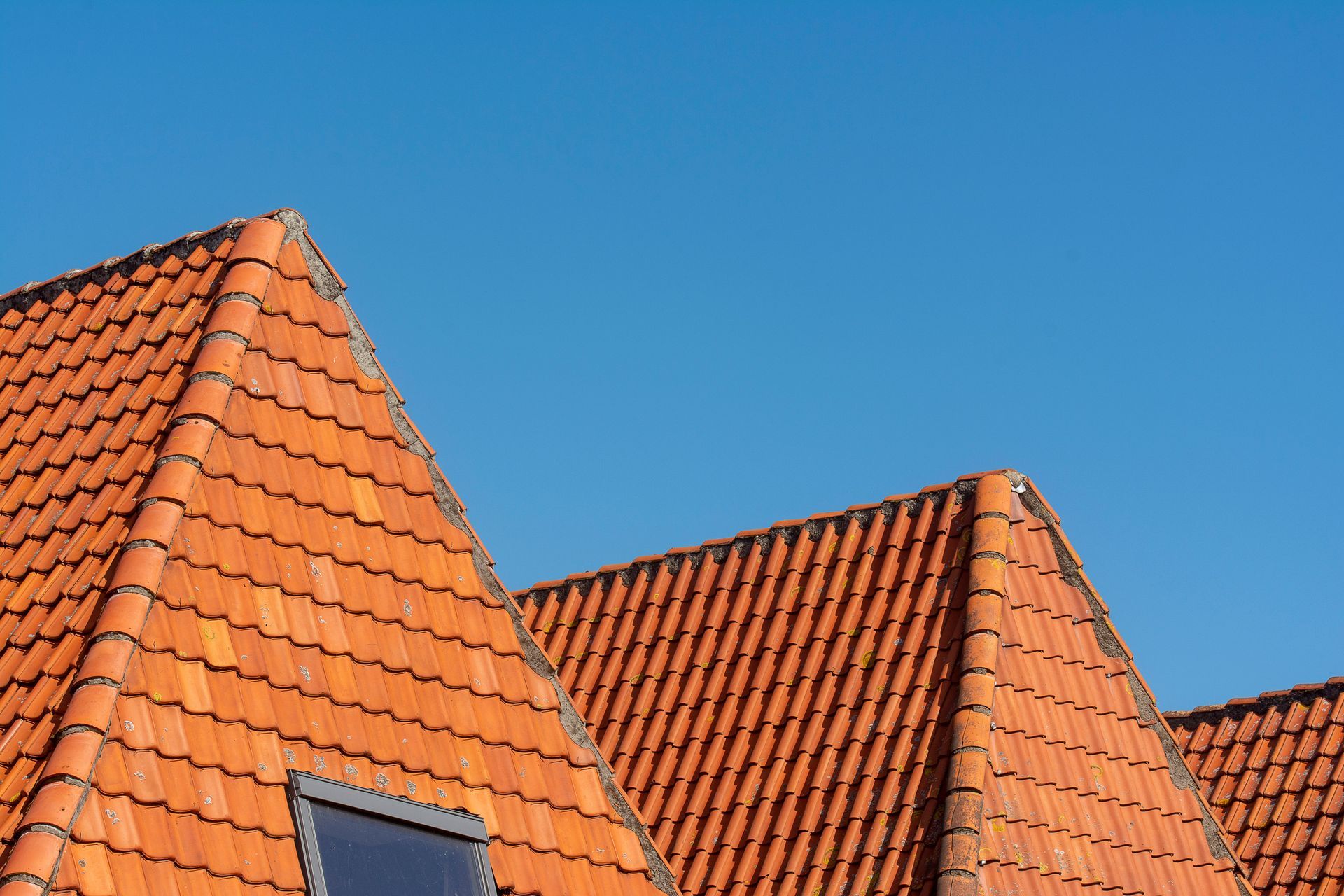
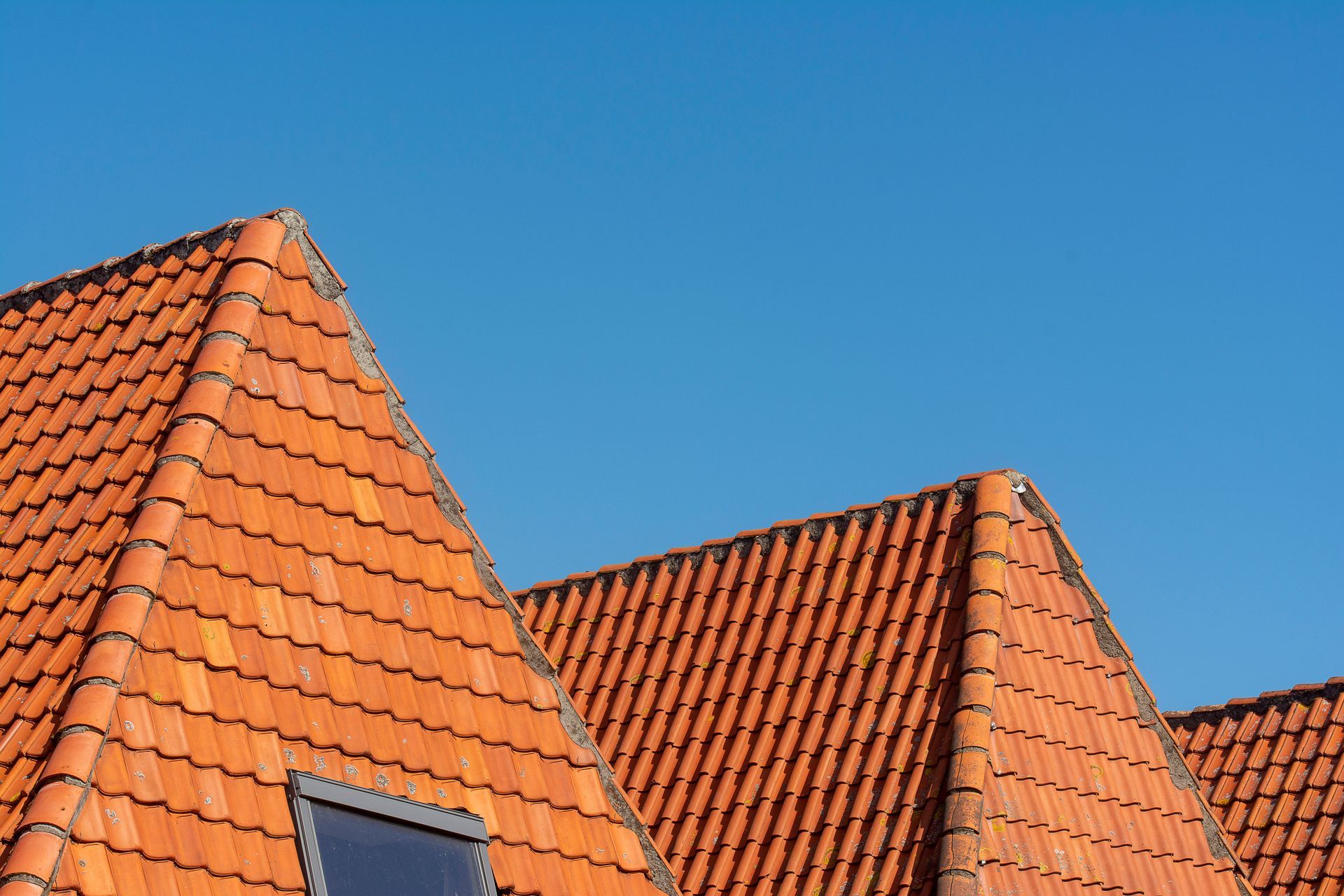
Walk through any Norfolk village and the roofs tell a story: clay pantiles that have weathered a century or more of coastal wind, Broads humidity and market-town shade, many of them original to the property. Roof cleaning Norfolk homeowners consider for these period roofs needs to be approached differently to a modern new-build with interlocking concrete tiles. Old clay pantiles were fired and shaped using methods that have changed considerably over the decades, and the wrong cleaning method can do more damage than the moss or algae it was meant to remove. Soft washing has become the preferred approach for exactly this reason, and understanding how it works helps explain why it matters so much on Norfolk's older housing stock.
The quick answer: Soft washing uses low-pressure water combined with a biodegradable cleaning solution to remove moss, algae and lichen from a roof without the physical force that high-pressure jet washing applies. On Norfolk's period clay pantile roofs, many of them decades or centuries old, that lower-impact method avoids cracking brittle tiles, stripping their surface, or forcing water beneath tiles that were never built to withstand high-pressure spray.
1. What Soft Washing Actually Means
Soft washing is a cleaning method, not a separate service. It refers to applying a cleaning solution at low pressure, often little more than a garden hose's worth of force, and allowing the solution to do the work of breaking down moss, algae and lichen rather than relying on the physical impact of high-pressure water.
The solution is left to dwell on the roof surface for a period before being rinsed away, along with the loosened growth it has treated. Because the process relies on chemistry and time rather than mechanical force, it works on delicate or aged surfaces that would otherwise be damaged by a pressure washer.
2. Why Norfolk's Period Pantile Roofs Need a Gentler Approach
Clay pantiles first became common in Norfolk during the 17th century, arriving from Holland aboard trading vessels, and many properties across the county still carry roofs made up partly or entirely of tiles that are decades or even a century old. Older clay tiles were fired at different temperatures and to different standards than modern equivalents, and years of frost cycles, sun exposure and moss growth can leave them more brittle than they look from ground level.
A pantile's curved, S-shaped profile also means it interlocks with neighbouring tiles at specific edges rather than lying flat across a continuous surface. High-pressure water directed at these edges can force its way beneath a tile, disturb the interlock, or in the worst cases dislodge a tile completely, none of which soft washing's lower-force approach is likely to cause.
3. The Risk of High-Pressure Washing on Old Clay Tiles
Pressure washing is not inherently the wrong tool for every roof, but on old clay pantiles it carries specific risks that are worth understanding. The surface of a fired clay tile develops a thin, weathered patina over time, and blasting that surface with high-pressure water can strip it away, leaving the tile more porous and more vulnerable to future moss growth rather than less.
Beyond surface damage, high-pressure water can also drive moisture into hairline cracks that have developed in a tile over decades of use, and that trapped moisture then contributes to frost damage during a hard Norfolk winter. Given how many of the county's roofs are built from this kind of period material, the case for a gentler cleaning method is less about caution for its own sake and more a practical response to how these tiles actually behave under pressure.
4. How Soft Washing Works Step by Step
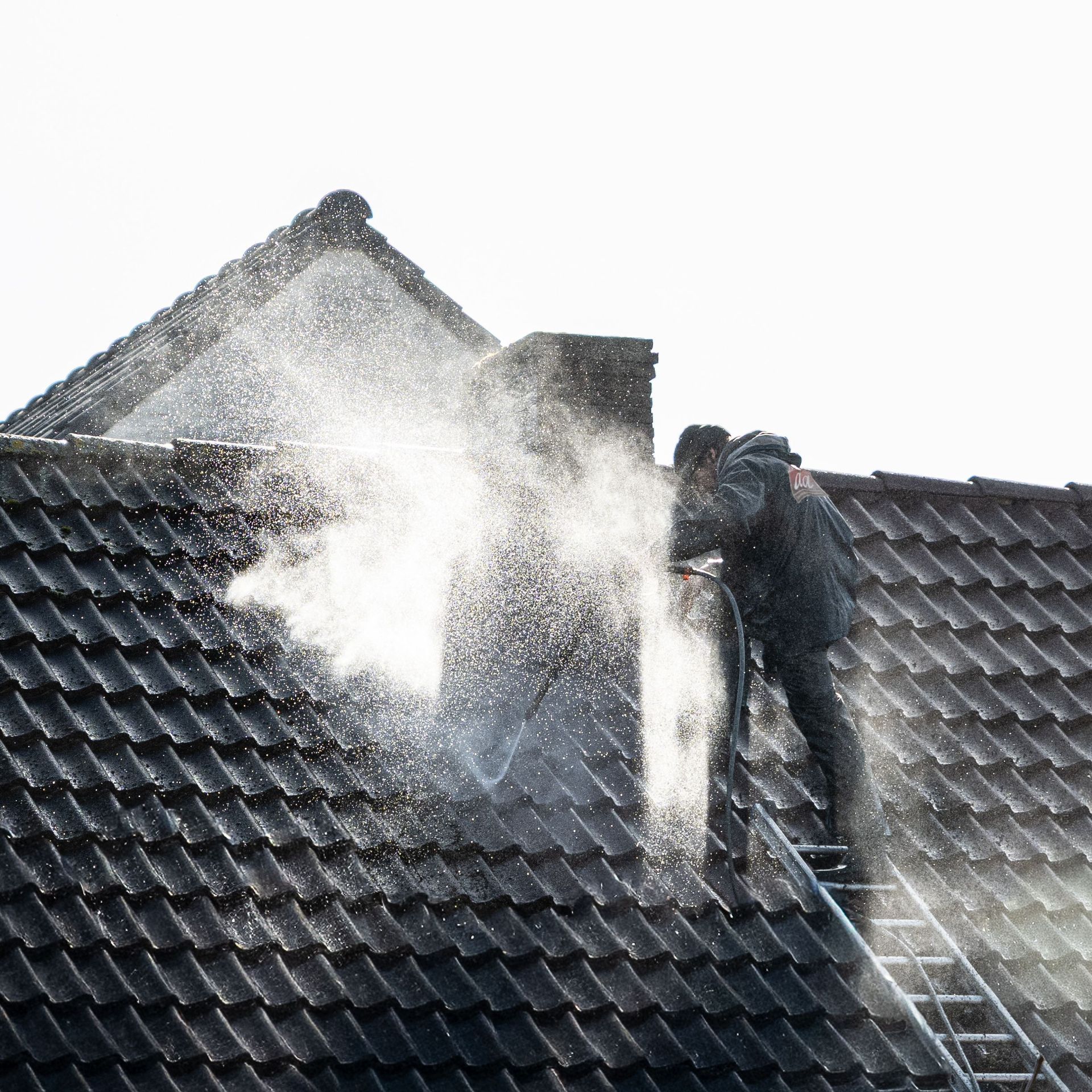
A soft wash typically begins with an inspection of the roof to identify areas of heavy moss, algae or lichen growth, along with any tiles that appear cracked, loose or otherwise vulnerable. This inspection stage matters particularly on older Norfolk properties, where a roof's true condition is not always obvious from ground level.
The cleaning solution is then applied at low pressure across the affected areas and left to dwell for a period, breaking down the cell structure of moss and algae without any need for scrubbing or scraping. Once the dwell time has passed, the roof is rinsed with clean, low-pressure water to remove the now-loosened growth and any residue.
The whole process is slower than pressure washing, but the trade-off is a roof that is cleaned thoroughly without the physical risk that high-pressure water poses to old, weathered clay.
5. Norfolk's Climate and Why Biological Growth Returns
Understanding why soft washing needs repeating periodically comes back to Norfolk's climate. East Anglia, which includes Norfolk, is officially the driest region in the United Kingdom, yet the county's flat, low-lying landscape and proximity to the Broads and the North Sea keep humidity levels high between showers, even when total rainfall stays comparatively low.
That combination of low rainfall but persistent dampness is exactly the environment in which moss and algae thrive, which is why Norfolk's pantile roofs tend to need attention more often than the county's dry annual rainfall figures might suggest. Readers wanting more detail on why this happens can find further background in why Norfolk's flint and pantile roofs are a magnet for moss.
6. Listed Buildings, Conservation Areas and Soft Washing
Norfolk has a significant number of listed buildings and properties within conservation areas, particularly in historic centres such as Norwich, Holt and the villages surrounding the Broads. On these properties, any exterior cleaning work needs to be considered carefully, since aggressive methods can damage historic fabric that heritage protections are specifically designed to preserve.
Soft washing's lower physical impact makes it a more appropriate starting point for these properties, though homeowners should still check whether listed building consent or conservation area rules apply before any work begins, since requirements vary by property and by local authority.
7. Soft Washing vs Pressure Washing: Practical Differences
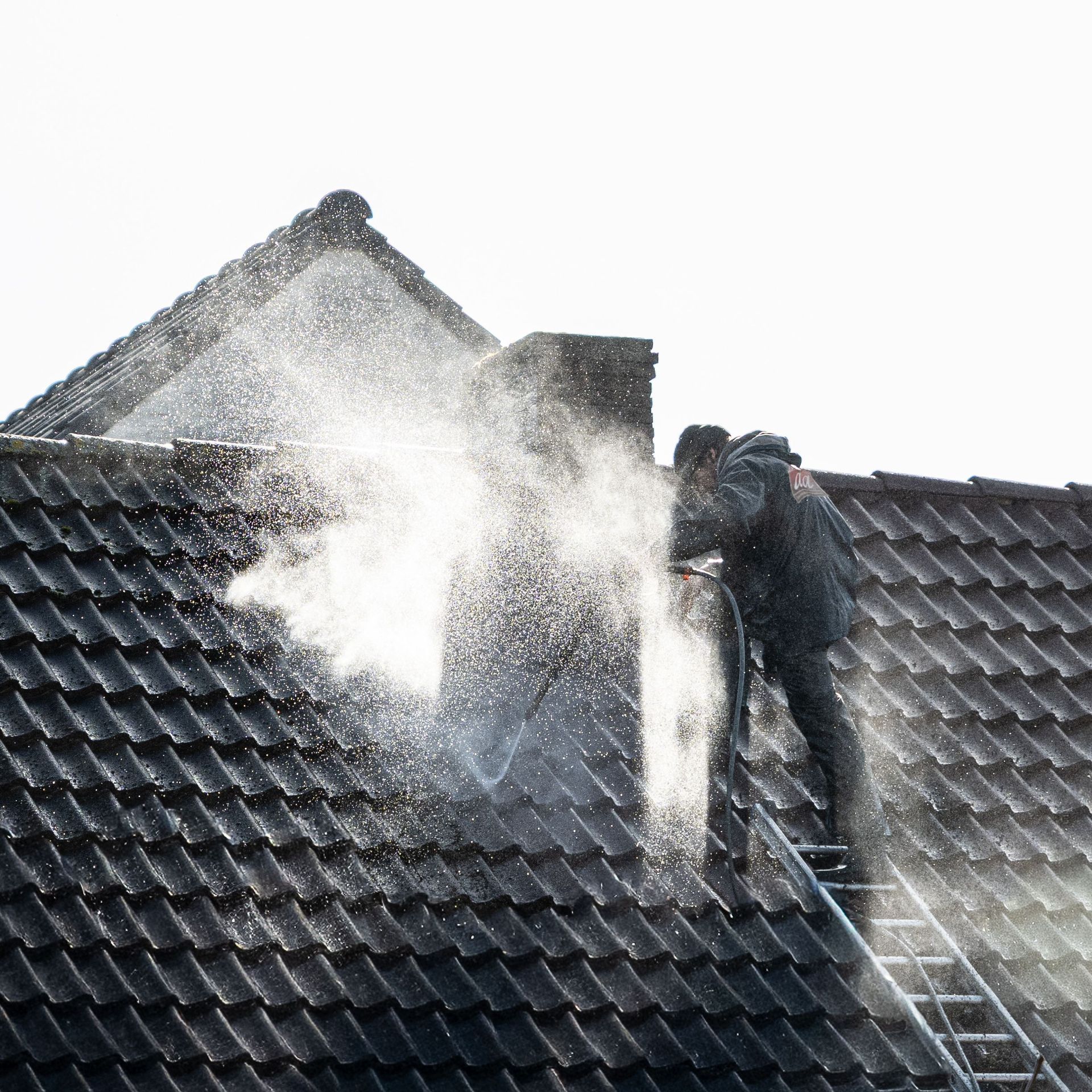
The two methods differ in more than just the pressure applied. Pressure washing relies almost entirely on mechanical force to physically blast growth off a surface, which works well on tough, modern materials such as concrete paving but is a poor match for aged, porous clay. Soft washing instead relies on a cleaning solution doing the work chemically, with water pressure playing a supporting role rather than the main one.
This difference also affects how long results last. Because soft washing treats the biological growth at a cellular level rather than simply blasting the visible portion away, it can leave a roof cleaner for longer than a quick pressure wash that removes surface growth but leaves spores and root structures intact beneath the surface.
Roof Cleaning Norfolk Properties Can Trust for Period Tiles
For homeowners weighing up roof cleaning Norfolk options for a period clay pantile roof, the method matters as much as the outcome. A roof cleaned with the wrong technique might look fine immediately afterward but end up with cracked tiles, stripped surfaces, or moisture trapped beneath the tile that causes problems over the following winter. Soft washing's slower, lower-impact approach is built around the specific vulnerabilities of aged clay, which is precisely the material found on so many roofs across the county.
Anyone dealing with gutters that have filled with debris alongside a mossy roof may also want to look at gutter cleaning across Norfolk's market towns and rural villages, since the two jobs are frequently carried out together during the same visit.
- Soft washing uses low pressure and a cleaning solution rather than mechanical force to remove moss, algae and lichen.
- Old clay pantiles are more brittle than they appear , having been fired to different standards decades or a century ago.
- High-pressure washing risks stripping tile surfaces and forcing water beneath tiles at their interlocking edges.
- Norfolk's humid microclimate encourages regrowth , even though the county's overall rainfall is comparatively low.
- Listed and conservation-area properties generally call for the gentlest available method to avoid damaging historic fabric.
Frequently Asked Questions
What is soft washing and how is it different from pressure washing?
Soft washing uses low-pressure water combined with a cleaning solution that breaks down moss, algae and lichen chemically, while pressure washing relies mainly on high-force water to blast growth off physically. Choose soft washing for delicate or aged surfaces where high pressure risks causing damage.
Is soft washing safe for old clay pantile roofs?
Yes, soft washing is generally considered the safer option for old clay pantiles, since it avoids the mechanical force that can crack brittle tiles or strip their weathered surface. Always check that whoever carries out the work understands the specific risks of period clay roofing before work begins.
How long do the results of soft washing last on a Norfolk roof?
Expect results to last longer than a quick pressure wash in many cases, since soft washing treats growth at a cellular level rather than only removing what is visible on the surface. Norfolk's humid climate still means periodic reapplication is sensible, particularly on shaded or north-facing roof slopes.
Does soft washing damage plants or garden areas around the house?
Take care to protect nearby plants during any exterior cleaning work, since cleaning solutions can affect foliage if runoff is not managed properly. Ask whoever performs the work how they plan to protect plants and surrounding surfaces before work begins.
How much does soft washing or professional roof cleaning cost in the UK?
Expect pricing to depend on roof size, pitch, the extent of moss or algae build-up, and site access, along with regional labour rates and whether gutter clearance is bundled into the same visit. Request a clear, itemised quote after an assessment rather than assuming a flat per-square-metre figure, since older or more complex roofs often need extra time.
Do listed buildings in Norfolk need special permission before roof cleaning?
Check with the local planning authority before any exterior cleaning work on a listed building or a property within a conservation area, since some methods and products may require consent depending on the specific listing and location. Soft washing's gentler approach is generally a safer starting point, but confirming local requirements first avoids problems later.
Have a period clay pantile roof anywhere in Norfolk that needs careful attention? Ben's Roof Cleaning uses soft washing methods suited to older roofing materials across the county. Get in touch through the contact page or call 0132 880 0373 to arrange an assessment.
Soft Washing Respects What Makes Norfolk's Roofs Worth Preserving
Norfolk's period clay pantile roofs are part of what gives the county's towns and villages their distinctive character, and cleaning them properly means working with the material rather than against it. Soft washing's lower-impact approach removes the moss, algae and lichen that build up so readily in Norfolk's humid microclimate, while avoiding the cracked tiles, stripped surfaces and trapped moisture that high-pressure methods can leave behind on old clay. Choosing the right cleaning method is ultimately about protecting a roof that, in many cases, has already survived a century of Norfolk weather and deserves to survive plenty more.