Why North-Facing and Coastal Roofs in Norfolk Green Up First
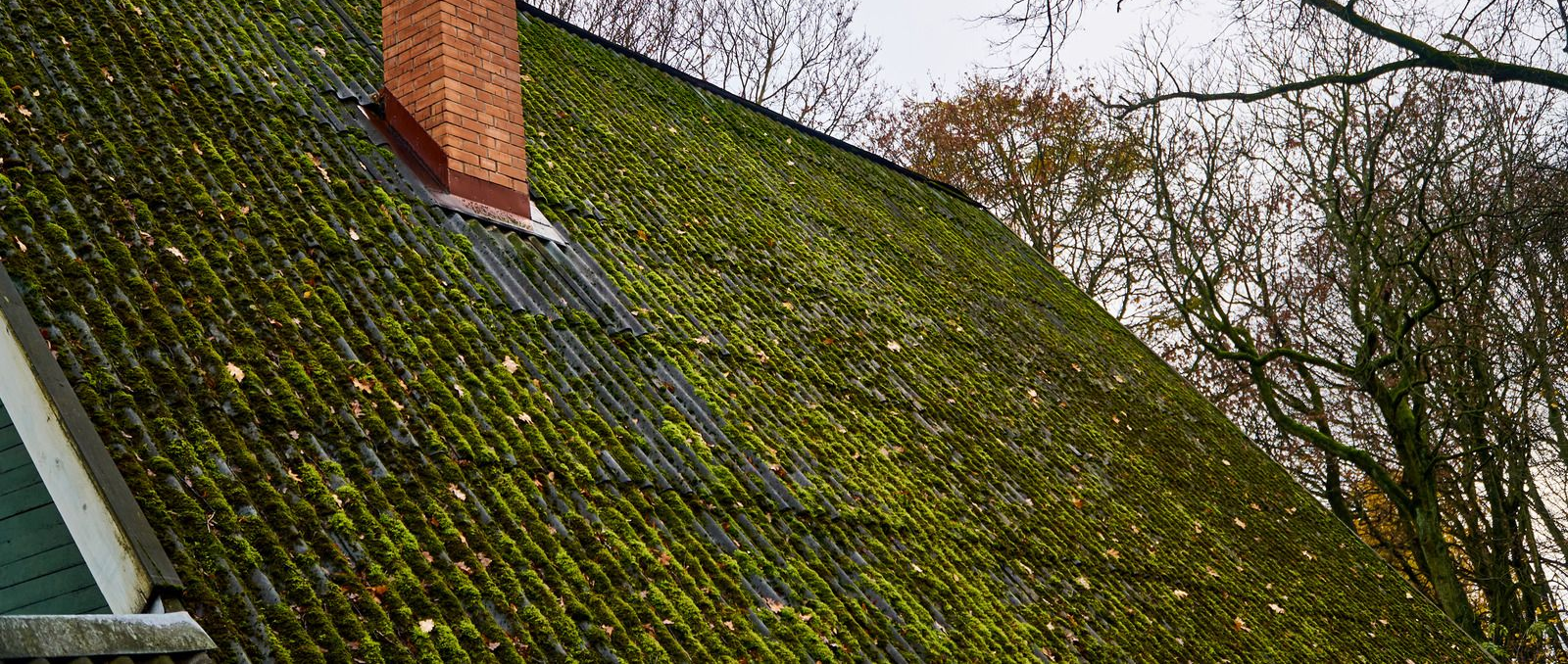
Walk down almost any street in Norwich, Cromer or Holt and you will notice something. It is rarely the whole roof that has turned green. It is one side. Anyone who has looked into moss removal Norfolk properties regularly need will already have spotted the pattern: the north-facing slope, or the elevation nearest the coast, turns green years before the rest of the roof does. This is not bad luck or a batch of poor tiles. It comes down to two things working together, which way a roof faces and how close it sits to the sea. Understanding both explains why some Norfolk roofs need attention every two or three years while others go a decade untouched.
This guide looks at the science behind that pattern, why Norfolk's flat, low-lying, coastally exposed geography makes the effect more pronounced here than in many other counties, and what it means for homeowners deciding when a roof actually needs cleaning rather than just watching.
The quick answer: North-facing roof slopes in Norfolk green up first because they receive the least direct sunlight and stay damp for longer after rain, while roofs within a mile or two of the coast pick up salt-laden, moisture-rich air that keeps moss spores and algae established even on sunnier aspects. Roofs that combine both factors, a north-facing pitch on a coastal property in Cromer, Sheringham or Wells-next-the-Sea, tend to green up faster than almost any other roof type in the county.
1. Why moss removal in Norfolk starts with aspect, not just age
The single biggest factor in how quickly a Norfolk roof develops moss is not the age of the property or even the type of tile. It is orientation. A south-facing slope gets hours of direct sun for most of the year, which dries out moisture quickly and makes the surface inhospitable to moss spores looking to establish themselves. A north-facing slope, by contrast, can stay in shadow for the entire day during autumn and winter.
Norfolk sits at roughly 52.6 degrees north, which means the winter sun tracks low across the southern sky for months at a time. Between late October and February, a steeply pitched north-facing roof may receive almost no direct sunlight at all. Moss and algae thrive in exactly these conditions: consistent shade, residual damp, and mild temperatures that rarely dip low enough for long enough to kill spores outright.
This is why two identical houses on the same street, built in the same year with the same tiles, can look completely different after a decade. The one with a north-facing roof visible from the road will usually be noticeably greener than its neighbour whose equivalent slope faces the garden and the sun.
2. The sea air effect: how coastal exposure feeds moss and algae
Norfolk has one of the longest coastlines of any English county, running from Hunstanton on the Wash, along the sweep of the North Norfolk coast through Wells-next-the-Sea, Blakeney, Sheringham and Cromer, and down to Great Yarmouth in the east. Properties within a mile or two of this coastline are exposed to a very different atmosphere than those inland around Dereham or Attleborough.
Sea air carries fine salt spray and, more importantly for moss growth, a persistently higher level of ambient moisture than inland air. The North Norfolk coast is recognised in national landscape assessments as a distinctive, exposed environment shaped by its relationship with the sea, and that exposure works on building materials as much as it does on the dunes and marshes. Roof surfaces near the coast rarely get the chance to dry out fully between weather systems, which gives moss spores and algae a near-constant foothold, even on aspects that would otherwise catch reasonable sun.
This is one reason coastal towns like Cromer and Sheringham often need roof attention on a shorter cycle than towns of a similar age further inland, even when the roofing material and pitch are the same.
3. Flint, pantile and the porous roofs of Norfolk's older buildings
Norfolk's building tradition leans heavily on local, low-fired materials. Flint is the defining wall material across the county, most famously in Norwich, which has more surviving medieval churches within its old city walls than almost any other city in Europe, many of them faced in knapped flint. Roofs on older Norfolk properties are typically finished in clay pantiles, a curved, s-shaped tile that became the standard covering across East Anglia from the seventeenth century onward, often shipped in as ballast from the Netherlands before local brickworks began producing their own.
Clay pantiles are more porous than modern concrete tiles, and that porosity matters. A north-facing pantile roof that stays damp holds moisture within the tile itself, not just on its surface, which gives moss rhizoids somewhere secure to anchor. Readers who want the full picture of why this particular combination of material and climate makes Norfolk roofs such a magnet for growth can see the detailed breakdown in why Norfolk's flint and pantile roofs are a magnet for moss.
4. Trees, hedgerows and rural shade in Norfolk's villages
Aspect and coastal exposure do not act alone. Norfolk's market towns and villages, places like Reepham, Aylsham, Holt and the string of settlements around the Wensum and Yare valleys, are typically wrapped in mature hedgerows, orchard trees and windbreak planting that has grown for generations. A north-facing roof shaded further by an overhanging oak or a line of Scots pine loses even the limited winter light it might otherwise catch.
Falling leaves and dropped needles add another layer to the problem. Organic debris that settles into valleys and against chimney bases breaks down slowly, holding moisture against the tile and effectively fertilising any moss already establishing itself. On heavily shaded rural properties, it is common to see moss creeping well beyond the north slope and starting to colonise east and west-facing pitches too.
5. The Broads: a humidity problem all its own
The Norfolk Broads, a network of rivers and shallow lakes largely created by medieval peat digging and now protected as a National Park, adds a distinct microclimate to the roof cleaning picture. Villages and towns around Wroxham, Potter Heigham, Ranworth and Beccles sit close to open water and low-lying wetland for much of the year, which keeps local humidity consistently higher than in drier parts of the county.
Properties near the Broads often develop moss and algae growth across more of the roof than a strict north-facing rule would predict, simply because the surrounding air rarely dries out enough to interrupt growth. For homeowners in these villages, aspect still matters, but it becomes a secondary factor behind the sheer ambient dampness of living beside open water.
6. Lichen versus moss: why coastal roofs often show both
Coastal Norfolk roofs frequently carry two different types of growth side by side: green moss cushions in the shadiest, dampest spots, and flat, crusty orange or yellow patches elsewhere on the same slope. That orange growth is usually a lichen, most commonly Xanthoria parietina, sometimes called maritime sunburst lichen for its strong association with coastal sites. It is well documented by organisations including the British Lichen Society as thriving in nitrogen-enriched conditions, which along the Norfolk coast comes from sea spray and the droppings of nesting gulls as much as from anything inland.
Recognising the difference matters because moss and lichen are treated slightly differently during a professional clean, and because a roof showing both together is a strong sign that the coastal, high-moisture environment is the dominant driver of growth, not just shade.
7. Why leaving a shaded, coastal roof to "dry out eventually" does not work
It is tempting to assume that a green roof is a cosmetic issue that will sort itself out once the weather turns. On a south-facing inland roof that might occasionally be true. On a north-facing or coastal Norfolk roof, it almost never is, because the conditions that caused the growth in the first place, limited sun and persistent moisture, do not change with the seasons in any meaningful way.
Left unchecked, moss roots work their way under tile edges and lift them slightly, creating gaps that let wind-driven rain track further underneath than the roof was designed to tolerate. Moss and lichen debris also washes down into gutters, where it combines with silt and leaf litter to cause blockages. Homeowners weighing up whether a roof genuinely needs attention before the wetter months, rather than being left for another season, may find it useful to check the seasonal warning signs covered in signs a Norfolk roof needs cleaning before winter sets in.
8. What professional cleaning changes for the worst-affected slopes
Because north-facing and coastal roofs carry the heaviest growth, they are also the slopes most likely to be damaged by an overly aggressive cleaning method. Pressure washing can strip the fired surface off a clay pantile and drive water up under overlaps, which is a particular risk on the porous, older tiles common across Norfolk. Soft washing, which uses low pressure and a biocide treatment to kill moss and algae at the root rather than blast it off, is the method generally recommended for these roofs, and the full explanation of how and why it works on Norfolk's period pantiles is set out in soft washing: the safe way to clean Norfolk's period clay pantile roofs.
A thorough clean treats the whole roof, but a competent assessment will usually flag the north-facing and coastal slopes as the areas most likely to need a repeat treatment or a shorter recheck interval, since the underlying conditions that caused the original growth remain in place.
9. Timing a clean around Norfolk's seasons
Because north-facing and coastal slopes stay damp for so much of autumn and winter, late spring through to early autumn tends to offer the best working conditions and the longest window before growth re-establishes. Cleaning before the shorter, wetter days of late autumn arrive gives the roof the best chance of staying clear through the following winter, when the aspect and coastal effects described above are at their strongest.
- Green staining concentrated on one slope while the rest of the roof looks comparatively clean, usually the north-facing or sea-facing pitch.
- Damp, dark patches that do not dry out even after several consecutive sunny days.
- Orange or yellow lichen rosettes spreading near chimneys, ridge tiles or roof edges, particularly on properties within a mile or two of the coast.
- Gutters filling with moss and lichen debris faster on the shaded or coastal side of the roof than elsewhere.
- Slipped or lifted tiles on the affected slope, where moss roots have worked under the edges over several seasons.
Frequently Asked Questions
Does moss really only grow on north-facing roofs in Norfolk?
No. It is heaviest on north-facing slopes because they get the least direct sun, but shaded, coastal or tree-lined roofs of any aspect can develop significant growth too. Treat aspect as the strongest single predictor, not an absolute rule.
Is moss on a coastal roof more damaging than moss inland?
Coastal roofs tend to stay damp for longer between dry spells, so growth re-establishes faster after a clean. Left long enough, the underlying damage risk to tiles is similar, but coastal properties usually need a shorter recheck interval.
How can I tell if it is moss or lichen on my roof?
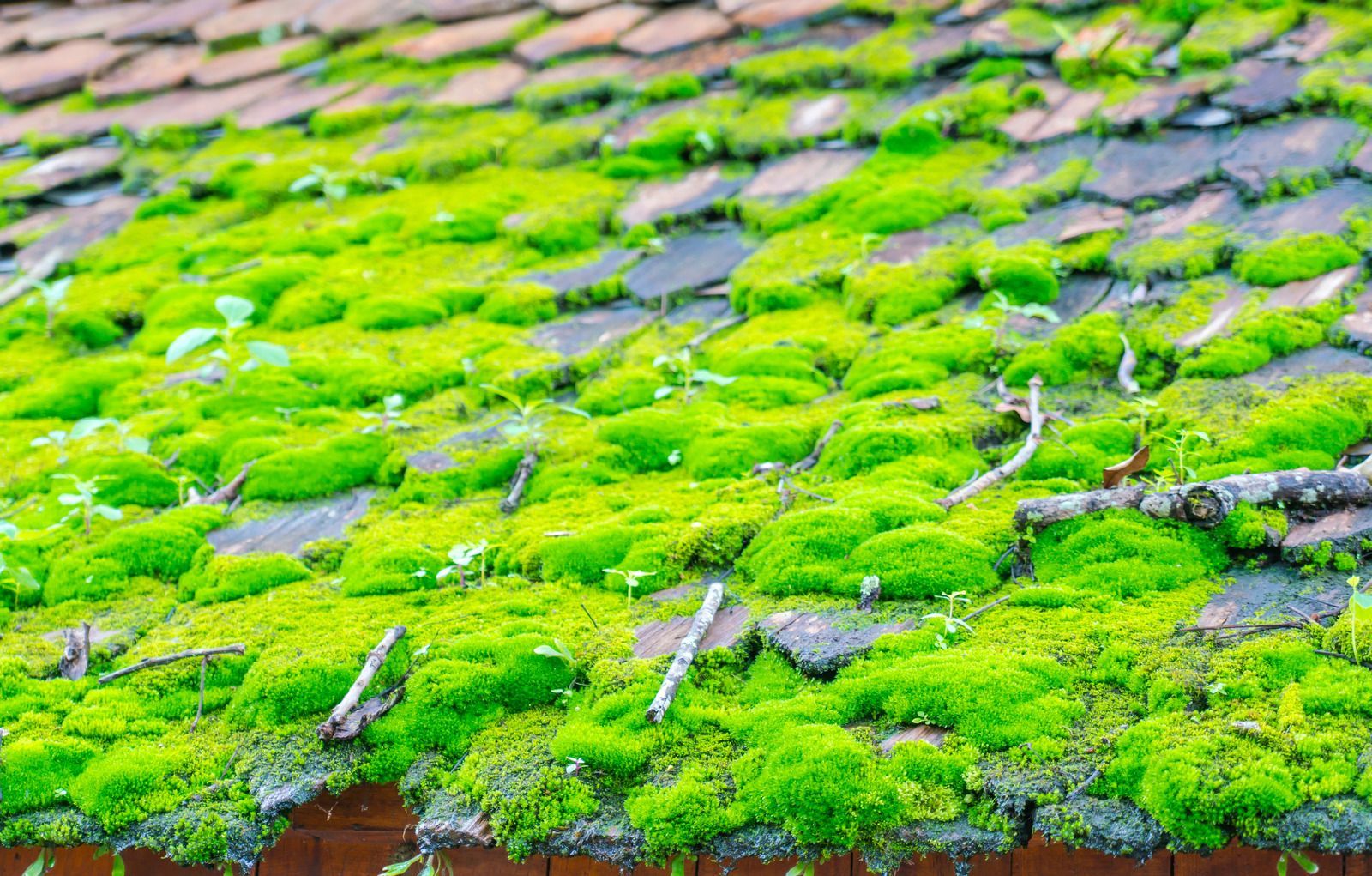
Moss forms soft, cushion-like green growth that you can usually see standing slightly proud of the tile surface. Lichen is flatter and crustier, often orange or yellow rather than green, and bonds more tightly to the tile. Both are common on Norfolk's coastal roofs and both are addressed during a professional clean.
How much does moss removal cost in Norfolk?
Cost depends on roof size, pitch, access, and how established the growth is, so get a specific quote for your property rather than relying on a generic figure. As a general guide across the local market, larger or steeper roofs, and those needing a repeat treatment for heavy coastal growth, typically sit at the higher end of the price range.
Will moss come back after professional cleaning?
Some regrowth over time is normal, especially on north-facing or coastal slopes where the underlying conditions have not changed. A biocide treatment applied as part of a soft wash slows regrowth considerably compared with a rinse alone.
Can I clean a north-facing roof myself?
Shaded, damp slopes are usually the most slippery and the most heavily grown roofs on a property, which makes DIY work on them riskier than on a drier, sunnier pitch. A professional assessment can confirm whether the growth and the roof's condition make DIY cleaning unwise.
Noticed one side of your roof turning green faster than the rest?
Ben's Roof Cleaning provides professional moss removal and roof cleaning across Norfolk, with over 15 years of experience. Get in touch or call 0132 880 0373
for a free, no-obligation quote.
Aspect and Sea Air Explain Most of Norfolk's Moss Problem
North-facing and coastal roofs in Norfolk green up first because they combine the two conditions moss and lichen need most: consistent shade and consistent moisture. Whether that comes from the low winter sun barely reaching a north-facing pantile slope, from salt-laden air rolling in off the North Sea at Cromer or Sheringham, or from the damp, wetland air around the Broads, the outcome is the same: growth establishes earlier and returns faster than it does on drier, sunnier elevations. Recognising which of these factors is at play on a particular property is the first step to deciding how often it genuinely needs professional attention, rather than guessing based on how the roof looked last year.