How Often Should a Norfolk Roof Be Cleaned? A Maintenance Schedule by Roof Type
Norfolk homeowners rarely think about their roof until moss appears in clumps along the ridge or a gutter overflows during heavy rain. Yet a roof left unchecked for years can trap moisture against tiles, encourage plant growth in the joints, and shorten the working life of the covering. The honest answer to "how often" is that it depends on what the roof is made of, where the property sits, and what surrounds it. This guide sets out a practical roof cleaning Norfolk maintenance schedule by roof type, so homeowners across the county can plan ahead rather than react to a problem once it is already visible from the street.
The quick answer: most Norfolk roofs benefit from a full clean every two to four years, with clay pantile and shaded or rural roofs nearer the two-year mark, slate and well-exposed concrete tile roofs nearer four, and a visual check at least once a year in between.
1. Setting a roof cleaning Norfolk schedule starts with knowing your roof type
Not all roofs age the same way, and a single blanket rule ("clean every three years") ignores the real differences between materials. A sensible roof cleaning Norfolk schedule begins with identifying what is actually on the roof: clay pantile, concrete interlocking tile, natural slate, or a flat or low-pitch covering over a conservatory or garage. Each responds differently to Norfolk's damp winters, salty coastal air, and mild, humid summers.
Material matters because porosity and surface texture control how easily algae, lichen and moss can establish themselves. A rough, absorbent clay pantile gives spores far more to grip onto than a smooth, dense slate. Roof pitch, orientation and the amount of overhanging tree cover then layer on top of that baseline, which is why two houses on the same street can need cleaning at noticeably different intervals.
2. Clay pantile roofs: the shortest interval in the county
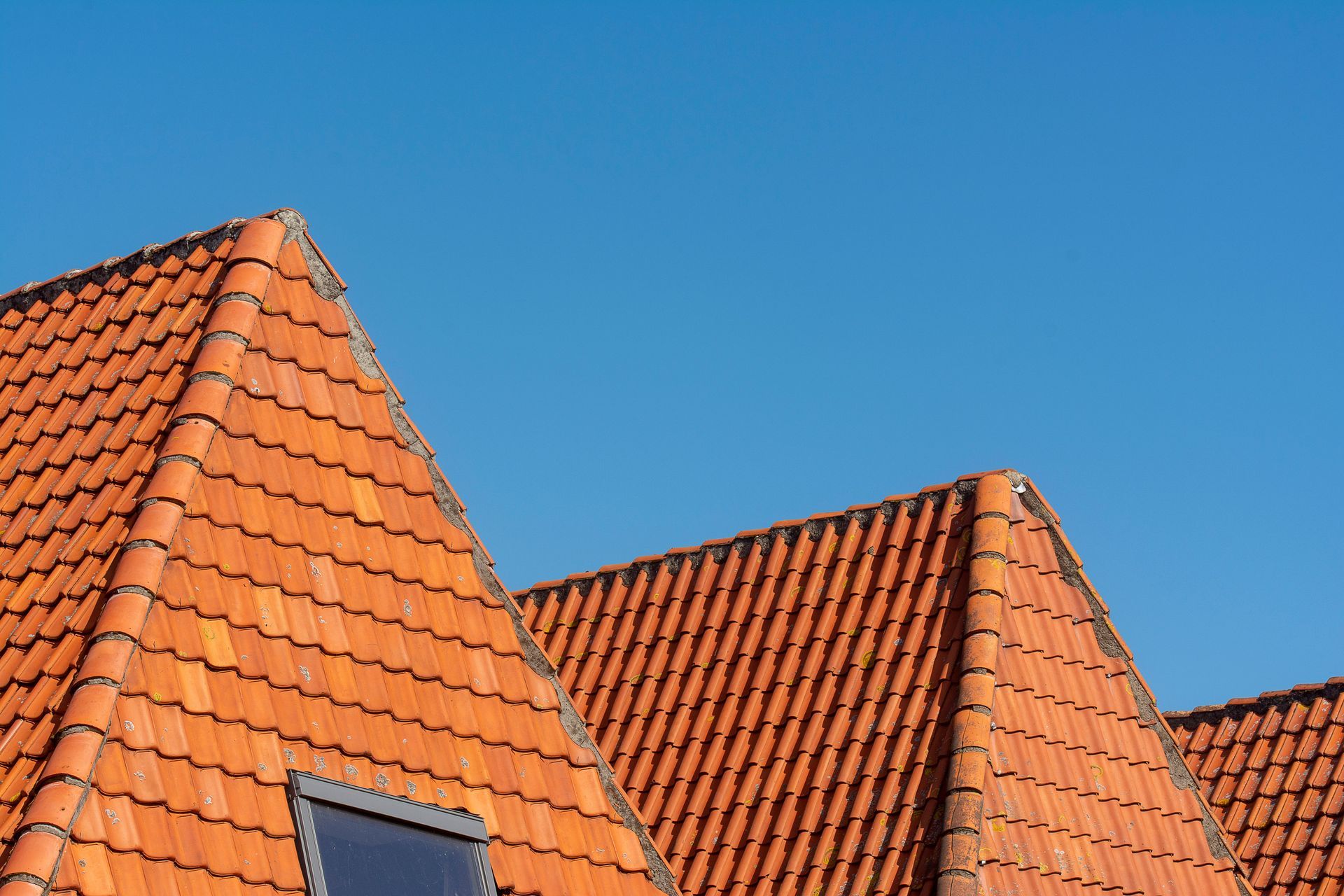
Clay pantiles are everywhere across Norfolk, from Norwich terraces to farmhouses near Aylsham and cottages around the Broads. Their curved profile and slightly porous surface make them comfortable, moisture-retaining habitat for moss and algae, particularly on north-facing slopes that see less direct sun. Left alone, moss cushions between the pantile laps hold water even longer, which is the opposite of what an old, breathable clay roof needs.
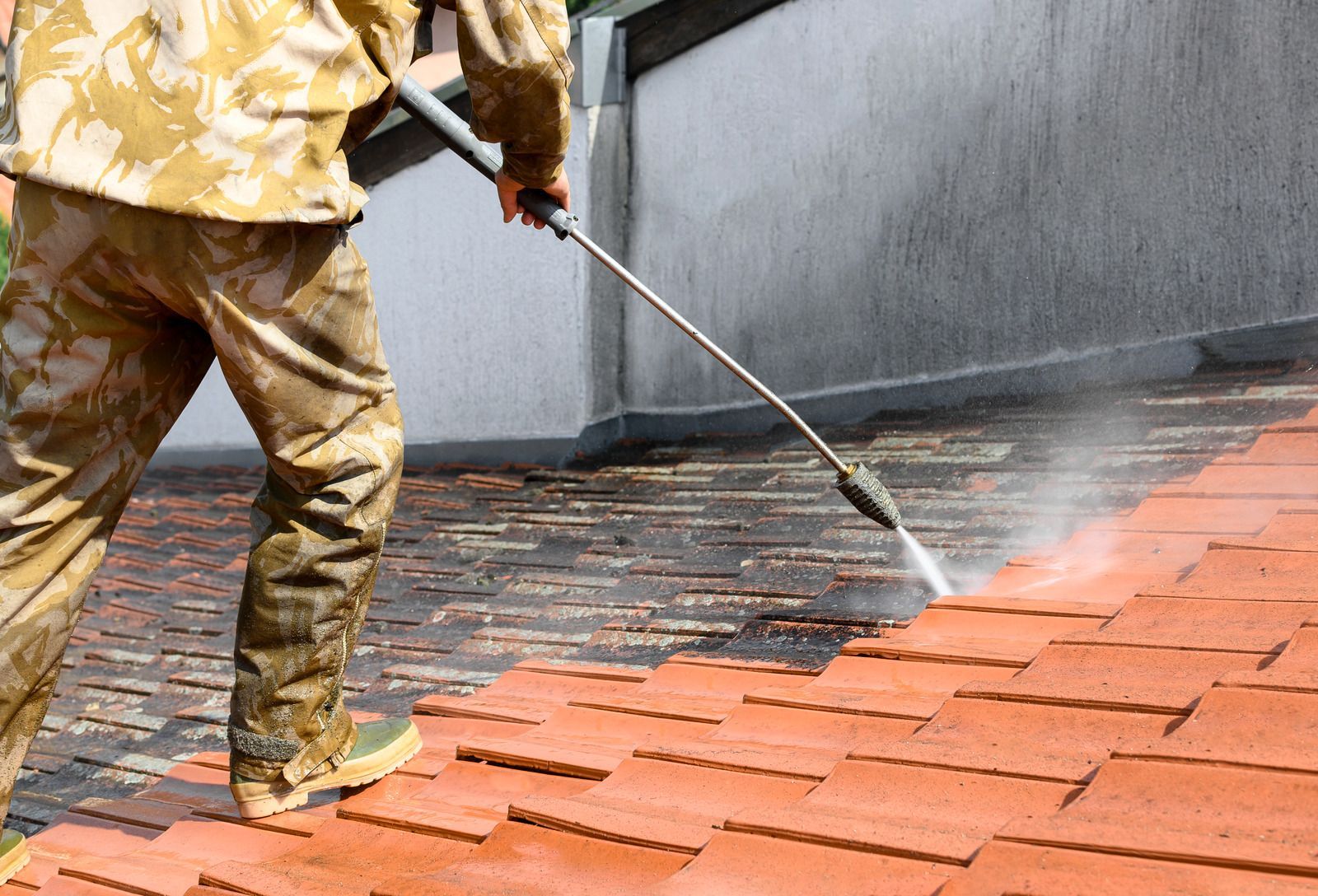
As a rough guide, clay pantile roofs in shaded or rural settings often show visible moss within two to three years of a clean, while those in more open, sunnier positions might stretch closer to three or four. Because clay pantiles are also the roof type most associated with Norfolk's older housing stock, many owners choose gentle methods over harsh scraping or high-pressure jets. For more detail on why that matters for older clay coverings, see this guide to soft washing period clay pantile roofs.
3. Concrete interlocking tiles: a slightly longer window
Concrete tiles became the standard choice on Norfolk new-builds and post-war housing from the mid-twentieth century onward, and they remain common on estates around Norwich, King's Lynn and Great Yarmouth. Concrete is denser than clay but has a slightly rougher factory finish that still gives algae something to cling to, especially once the surface has weathered for a few years.
Most concrete tile roofs in Norfolk can go three to four years between cleans if they get reasonable sun and are not overhung by trees. Black algae streaking, rather than thick moss cushions, is usually the first visible sign on this material, running down from the ridge in vertical lines. Left long enough, though, moss will still establish in the recessed grooves that many concrete tile profiles have, so a schedule based purely on "it looks fine from the pavement" can miss build-up that is already underway lower down the slope.
4. Slate roofs: the longest natural interval
Natural slate, seen on many Victorian and Edwardian properties in Norwich and on some grander period homes across the county, is dense and largely non-porous, so it resists moss and algae far better than clay or concrete. A well-maintained slate roof with decent sun exposure can often go four years or more before it visibly needs attention.
That said, slate is not immune. Valleys, the shaded sides of chimneys, and any areas where leaves collect will still gather organic debris and eventually support lichen or moss growth, even on an otherwise clean slope. Cast-iron or lead flashing details common on older slate roofs can also stain over time, which is a cosmetic issue worth noting during any inspection even where the wider roof looks clean.
5. Norfolk's climate resets the clock every year
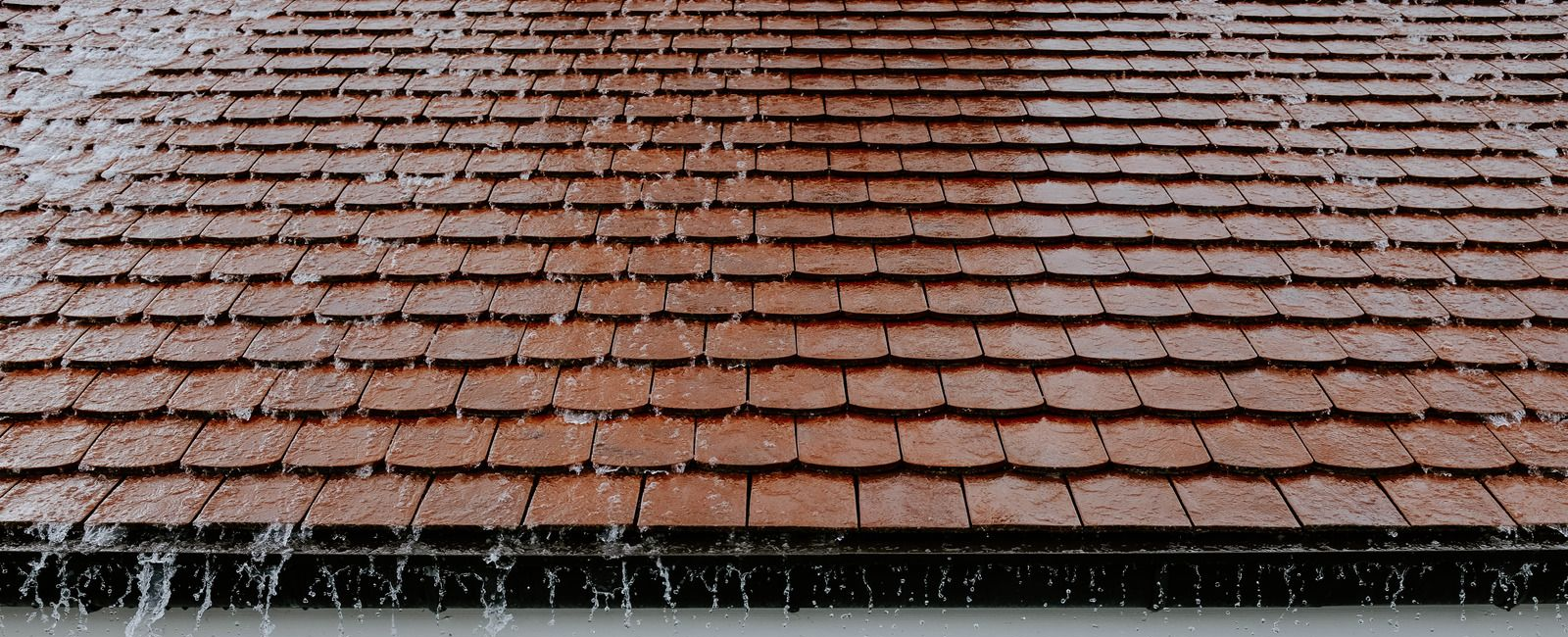
Norfolk sits in one of the drier parts of England overall, but "drier than the Lake District" does not mean dry. The county still gets regular rainfall spread across the year, and the low-lying, flat landscape around the Broads and the coastal marshes keeps humidity and morning dew higher than many inland counties enjoy. That combination of moisture without much fast run-off is exactly what moss, algae and lichen need to spread.
Mild, damp winters followed by humid summer mornings mean Norfolk roofs rarely get a long, hard-drying spell the way roofs in more mountainous or windswept regions might. Anyone comparing notes with a relative in a drier or breezier part of the country should expect their own Norfolk roof to need attention somewhat more often, not less, despite the county's reputation for being on the dry side of the national rainfall map.
6. Coastal exposure versus inland shelter changes the interval
Where in Norfolk a property sits also matters. Homes near Great Yarmouth or along the north coast towards Cromer face salt-laden onshore winds that can, in some respects, slow algae growth on more exposed slopes by keeping tiles drier and windswept, while still leaving sheltered valleys and north faces vulnerable to grime and moss. Inland market towns such as Dereham or Holt, by contrast, tend to have calmer air and more surrounding trees and gardens, which can accelerate moss growth on shaded roof faces even though the town itself feels less exposed to weather.
Norwich, as a dense urban centre, adds its own factor: taller neighbouring buildings casting shade, plus general urban grime, which shows up differently on the county's many round-towered flint churches and their neighbouring rooftops than it does on an open farmhouse roof near the coast. There is no single "Norfolk interval" that fits every location, only a sensible starting point that gets adjusted for where the roof actually sits.
7. Trees, shade and orientation shorten or lengthen the gap
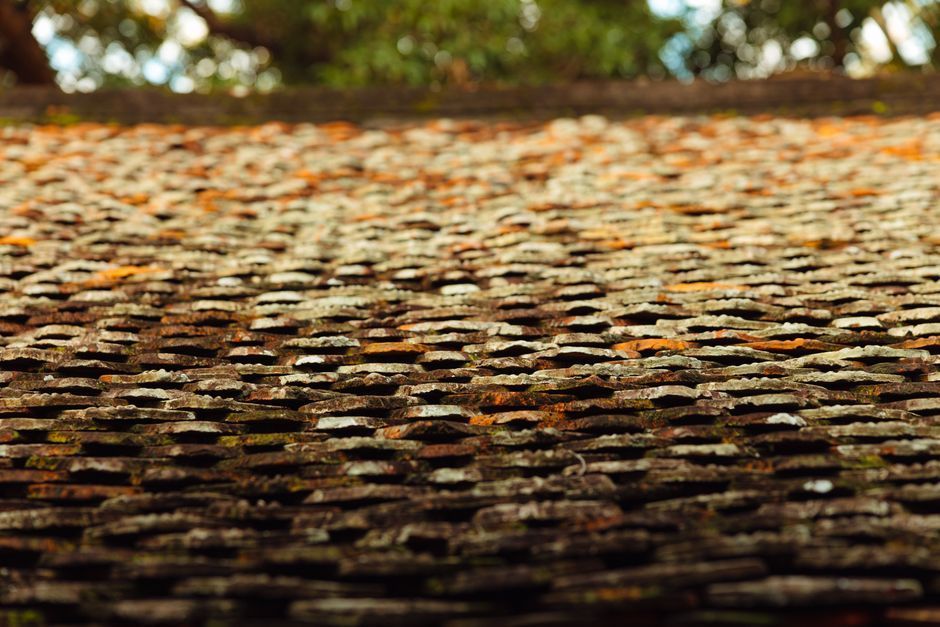
A roof shaded for much of the day by mature trees, common in the leafier parts of Norwich, around Holt, and in many of Norfolk's rural villages, will almost always need cleaning more often than an equivalent roof in full, open sun. Shade keeps tiles damp for longer after rain or dew, and falling leaves and twigs collect in valleys and against chimneys, adding organic matter that speeds up moss and lichen colonisation.
North-facing slopes are the classic trouble spot on any property, Norfolk included, since they receive the least direct sun and dry out slowest after wet weather. When assessing a schedule, it is worth treating the north-facing or most heavily shaded slope as the "worst case" and the south-facing, open slope as the "best case," since the same roof can genuinely need attention on one side well before the other.
8. Building a simple, workable inspection routine
Rather than trying to remember an exact number of years, most Norfolk homeowners do better with a simple routine: a visual check from ground level (or via binoculars) each spring and autumn, and a closer look, ideally from a ladder or via photographs taken with a zoom lens, once a year. This catches early moss growth, gutter blockages and loose or slipped tiles before they become bigger problems, and it means any full clean can be scheduled at a sensible, planned time rather than as an emergency response.
The article on signs a Norfolk roof needs cleaning before winter sets in is a useful companion to this schedule, since it covers the specific visual cues, streaking, moss cushions, gutter overflow and darkened patches, that tell you a clean is due sooner than the general interval suggests. Roof material is also worth revisiting in detail, since clay, concrete and slate each carry their own considerations beyond timing alone; the guide to how roof material shapes cleaning across Norfolk goes further into that comparison.
- Moss cushions along ridge or valley lines mean the roof has likely gone past its ideal cleaning window already.
- Dark green or black streaking below the ridge usually signals algae, and is common on concrete tiles first.
- Overflowing or sagging gutters often trace back to moss and grit washed down from the roof above.
- Slipped or shifted tiles near valleys can indicate debris build-up pushing tiles out of alignment.
- Damp patches on ceilings below roof valleys are a sign that build-up may already be affecting drainage.
- A north-facing slope that looks noticeably greener than the rest is the part of the roof worth checking first.
Frequently Asked Questions
How often should a Norfolk roof actually be cleaned?
Treat two to four years as the general range, and lean towards the shorter end if your roof is clay pantile, shaded by trees, or on a north-facing slope. Use an annual visual check to confirm whether your particular roof is tracking faster or slower than that range.
Does roof cleaning need to happen at the same time as gutter cleaning?
Not necessarily, but it is sensible to check both together, since moss and grit washed off a roof during cleaning is exactly what ends up blocking gutters afterwards. Many homeowners schedule a gutter check straight after a roof clean for that reason.
How much does roof cleaning typically cost?
Costs vary across the UK market depending on roof size, pitch, access, material and the amount of moss or algae present, so get a site-specific quote rather than relying on a generic average. A free, no-obligation quote is the most reliable way to understand the likely cost for your particular roof.
Can moss actually damage a roof, or is it just cosmetic?
Moss holds moisture against the tile surface for longer than bare tile would, which over time can affect porous materials like clay pantile more than dense slate. Left unchecked for years, thick moss growth can also work its way under tile laps and interfere with drainage.
Is pressure washing safe on an older Norfolk roof?
High-pressure washing can strip the surface off older, more brittle tiles, particularly aged clay pantile, so many professionals prefer gentler, lower-pressure methods for period roofs. Ask what method is planned before booking any work on an older roof.
Should a conservatory or extension roof follow the same schedule as the main house roof?
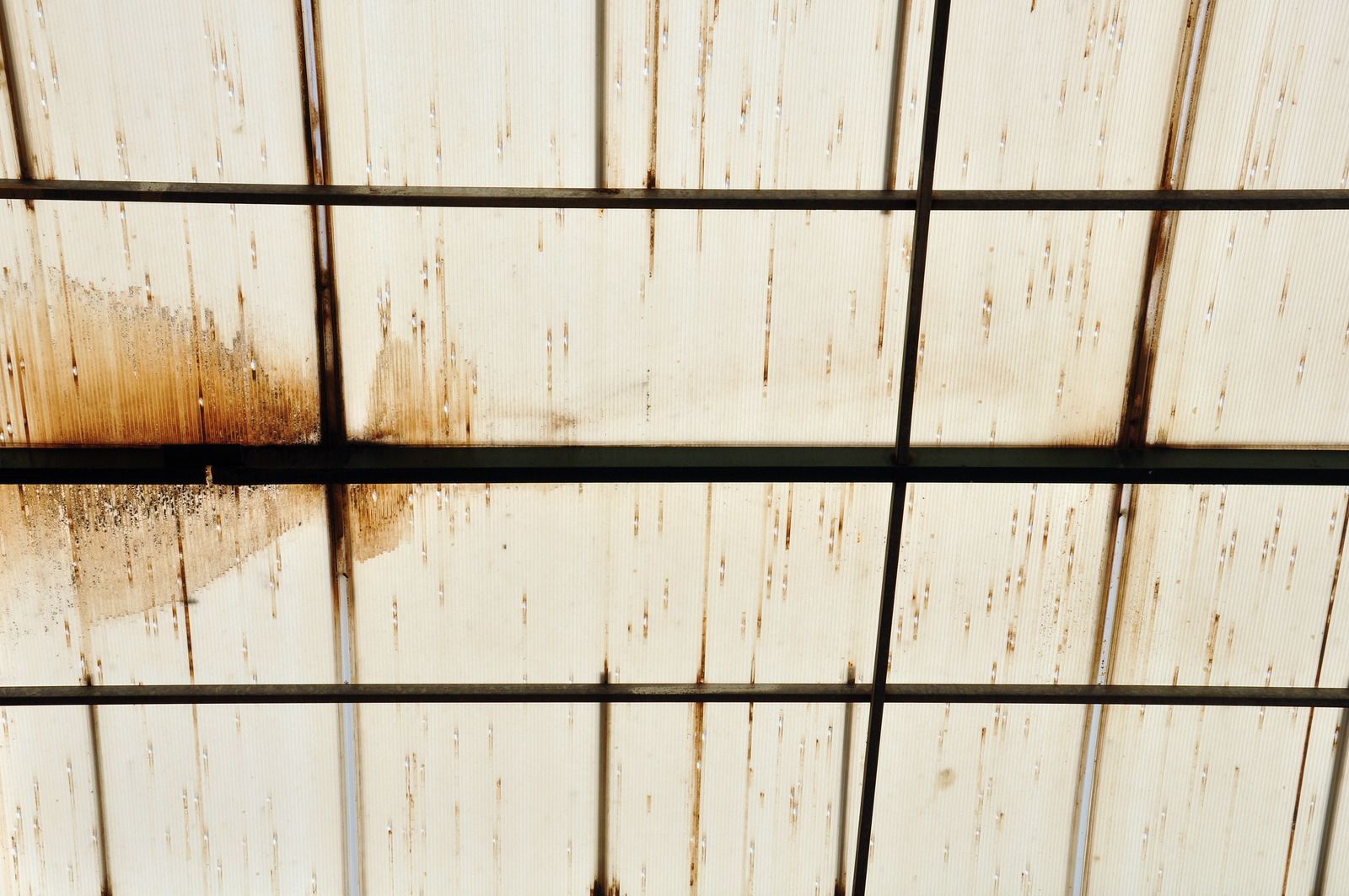
Not always. Glass, polycarbonate and flat felt roofs on conservatories and extensions often need more frequent attention than the main tiled roof because debris and standing water collect differently on a low-pitch surface.
Not sure where your roof sits on the schedule?
Ben's Roof Cleaning provides roof cleaning, moss removal and gutter cleaning across Norfolk, with over 15 years of experience. Get in touch or call 0132 880 0373
for a free, no-obligation quote.
A planned schedule beats a reactive one on every Norfolk roof type
Whether a property has clay pantiles in a Broads village, concrete tiles on a Norwich estate, or slate on a Victorian terrace, the underlying principle is the same: cleaning on a planned schedule, adjusted for material, shade and exposure, keeps small issues from becoming expensive ones. Norfolk's mild, damp climate means moss and algae are a constant background presence rather than an occasional nuisance, so an annual look and a clean every two to four years, tailored to the roof in question, is a realistic and manageable routine for most homes across the county.