Spring Roof Cleaning in Norfolk: Pollen, Sap and Post-Winter Moss
By late March, Norfolk gardens are waking up again, hedgerows are budding, and the first oilseed rape fields are turning yellow across the county. That same seasonal shift lands on the roof too. Winter's mud, moss and grime meet a fresh wave of pollen, tree sap and blossom debris, and the combination can leave tiles looking dull and gutters starting to clog just as the weather finally turns pleasant. Spring roof cleaning Norfolk homeowners plan for tends to deal with three separate problems at once: pollen coating, sap and sticky debris, and the moss that has spent all winter quietly spreading in the shaded corners of the roof.
The quick answer: spring is one of the two best windows for roof cleaning Norfolk properties, since it clears months of winter moss growth and gets ahead of the pollen and sap season before it bakes onto warm tiles over summer.
1. Why spring resets the roof cleaning calendar
Norfolk winters are mild by UK standards but consistently damp, and that dampness is exactly what moss, algae and lichen need to establish and spread across a tiled roof. By the time the clocks go forward, a roof that looked reasonably clean in October can be carrying a visible moss cushion along shaded ridges and valleys. Spring roof cleaning Norfolk residents schedule at this point serves two purposes: clearing away the winter's growth, and getting the roof into good condition before the next stage of the seasonal cycle, pollen and sap, begins in earnest.
Timing a clean for spring rather than waiting until autumn also means gutters get cleared before the heaviest tree pollen and seed drop of the year, which reduces the chance of a summer downpour finding a blocked gutter and overflowing down an exterior wall.
2. Pollen coats roofs across the county every spring
Tree pollen season in the UK typically runs from late March through May, starting with birch, alder and hazel and moving through oak, plane and pine as spring progresses, before grass pollen takes over in early summer. Norfolk's mix of mature street trees in towns like Norwich and King's Lynn, plus hedgerows and woodland around rural villages, means roofs across the county pick up a fine yellow-green dusting during peak pollen weeks.
On its own, pollen is a cosmetic problem, a dulling film across the tile surface. Left to sit through repeated dew and light rain, though, it becomes a thin organic layer that can help algae spores establish more easily than they would on a clean, bare tile. That is part of why spring cleaning matters beyond appearance, it removes the very base layer that summer growth would otherwise use to get started.
3. Sap and blossom debris add a sticky layer
Spring blossom, particularly from ornamental cherry, apple and other garden trees common in Norfolk's suburban streets and village gardens, drops petals and sticky sap residue onto nearby roofs through April and May. Sycamore and lime trees, both widespread across Norfolk, are also notable sap producers, and their sticky secretions can bind dust, pollen and grit into a stubborn film that plain rainwater struggles to rinse away.
This sap layer tends to collect fastest on roofs overhung by trees, which describes a good number of properties in Norwich's older residential streets and in villages around the Broads and mid-Norfolk. Where sap and pollen combine on a shaded slope that already carries some moss from winter, the result is often the grubbiest-looking section of an otherwise reasonable roof, and usually the section most worth prioritising during a spring clean.
4. Post-winter moss: what months of wet weather leave behind
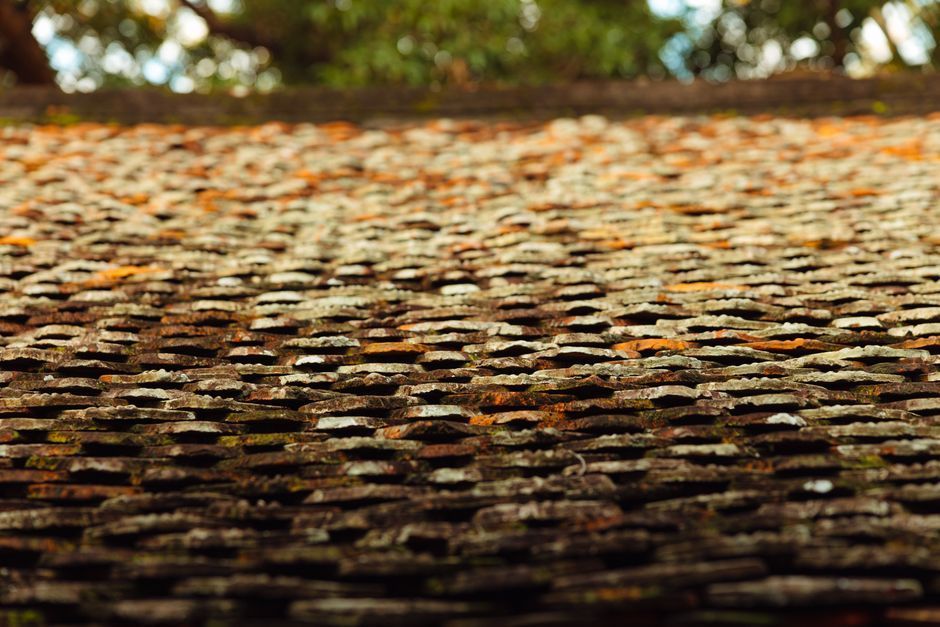
Moss growth on Norfolk roofs is largely a cool-season process, spreading fastest through autumn and winter when temperatures stay mild enough for growth but the roof rarely dries out fully between spells of rain. By spring, north-facing slopes, valleys, and areas near chimneys or overhanging branches often show the season's most established moss cushions, thicker and greener than at any other point in the yearly cycle.
This is precisely why spring cleaning is so effective: catching moss at its most visible, before it dries out and becomes more firmly rooted into the tile surface over a warm summer, tends to make removal more straightforward. For a deeper look at why Norfolk roofs are so prone to moss in the first place, the article on why Norfolk's flint and pantile roofs are a magnet for moss covers the underlying causes in more detail.
5. Coastal spring versus inland spring across Norfolk
Spring weather is not uniform across the county. Coastal towns such as Great Yarmouth and Cromer tend to see a cooler, breezier spring than inland areas, with onshore winds off the North Sea keeping temperatures down into May, which can delay both blossom and pollen release by a week or two compared with sheltered inland spots. Norwich and the market towns further inland, including Dereham and Holt, typically warm up faster, meaning gardens and street trees there often reach peak pollen and blossom slightly earlier in spring.
That timing difference matters for scheduling, since a roof in an exposed coastal position may still be worth cleaning primarily for post-winter moss, while an inland roof under mature trees might need the clean timed specifically around the peak pollen and sap weeks in April and May.
6. Broads villages and rural Norfolk face their own spring pattern
Villages around the Norfolk Broads and the wider rural county often sit close to woodland, hedgerow and open farmland, all of which contribute to a heavier spring pollen load than a typical urban street. The Broads' network of rivers and wetlands also keeps humidity higher for longer through spring mornings, giving any lingering winter moss extra time to stay damp and viable before the weather properly warms up.
Rural properties with long, tree-lined driveways or gardens backing onto woodland tend to see the heaviest combined build-up of pollen, sap and moss, and often benefit from being near the front of the queue for a spring clean rather than the back.
7. A clean spring roof handles summer growth better
Getting pollen, sap and moss off a roof in spring is not just about how the property looks for a season. A roof that goes into summer clean is starting the warm months without the organic base layer that algae and lichen use to establish, which can meaningfully slow how quickly new growth reappears over the following months. This is particularly relevant for clay pantile roofs, common across Norfolk, where the porous surface holds onto whatever settles on it far more readily than a smooth slate would.
A spring clean also tends to reveal problems that were hidden under moss or grime, loose tiles, deteriorating flashing, or a gutter joint that has started to sag, giving homeowners a useful head start on any repairs before they become urgent.

8. What a spring roof inspection should actually cover
A thorough spring check goes beyond a glance at the ridge line. It is worth looking at valleys and the areas around chimneys, where debris collects fastest, checking gutters for standing sludge left over from winter, and noting any slopes that still look noticeably greener than the rest of the roof. Gutters deserve particular attention in spring, since blossom and early leaf fall combine with the last of winter's moss run-off to block downpipes right as spring showers pick up.
For a county-wide look at how gutters fare across Norfolk's market towns and villages, the guide to gutter cleaning across Norfolk's market towns and rural villages is a useful companion piece, and the seasonal signs covered in signs a Norfolk roof needs cleaning before winter sets in apply just as well in reverse, as a checklist for what a winter left behind.
- A yellow-green dusting across the tile surface is early spring pollen settling on the roof.
- Sticky patches under overhanging trees point to sap residue rather than pollen alone.
- Thick moss cushions on north-facing or shaded slopes are typically the winter's accumulated growth.
- Standing debris in gutters after spring showers suggests blossom and moss are already blocking flow.
- Green streaking that appears worse than in autumn often reflects a full season of unchecked winter moss.
- Slower-drying patches after rain can indicate a buildup of pollen and sap holding moisture against the tile.
Frequently Asked Questions
Is spring really the best time for roof cleaning in Norfolk?
Spring works well because it clears winter moss at its most visible stage and gets ahead of the pollen and sap season, though autumn, before winter sets in, is the other sensible window. Choose whichever fits your roof's specific problems, whether that is heavy winter moss or heavy spring pollen and sap.
Does pollen actually damage roof tiles?
Pollen itself does not damage tiles directly, but a settled layer can help algae and moss establish more easily if left through repeated damp weather. Clearing it in spring removes that base layer before it becomes a bigger problem.
How much does spring roof cleaning cost?
Costs across the UK market depend on roof size, pitch, access and how much moss, pollen and sap has built up, so a specific quote for your property is more useful than a generic figure. Ask for a free, no-obligation quote to get an accurate picture.
Should gutters be cleaned at the same time as a spring roof clean?
Yes, ideally. Blossom, pollen and moss washed off the roof during a spring clean is exactly the debris that ends up settling in gutters, so checking both together avoids a second callout later in the season.
Will spring cleaning stop moss coming back later in the year?
It will not stop moss permanently, since Norfolk's climate favours moss growth for much of the year, but a clean roof takes noticeably longer to redevelop visible growth than one that already has an established base layer.
Is it safe to clean a roof while trees nearby are still shedding blossom?
Yes, though timing the clean for slightly later in the blossom season, once the heaviest petal drop has passed, can mean less immediate re-soiling straight after the work is done.
Ready for a spring clean before summer growth sets in?
Ben's Roof Cleaning provides roof cleaning, moss removal and gutter cleaning across Norfolk, with over 15 years of experience. Get in touch or call 0132 880 0373
for a free, no-obligation quote.
Spring is the natural turning point for a Norfolk roof
Between winter's moss and summer's pollen and sap, spring sits at the hinge point of the roof cleaning calendar for Norfolk homes. Clearing pollen, sap and the last of the season's moss before the weather properly warms up gives a roof its best chance of staying cleaner for longer, and gives homeowners an early look at any wear that grime has been hiding. Whether a property sits on the coast at Cromer, inland at Dereham, or beside the Broads, a spring clean timed to the local pattern of blossom and pollen makes a genuine difference through the months that follow.