Clay Pantile, Concrete or Slate: How Roof Material Shapes Cleaning Across Norfolk
Drive from the flint villages around Norwich out toward the coast at Cromer, and the roofline changes constantly: curved clay pantiles on one terrace, flat concrete interlocking tiles on the next estate, the occasional slate roof on a Victorian villa in a market town like Holt. Roof cleaning Norfolk properties need is not a one-size-fits-all job, because the material a roof is made from changes almost everything about how it should be cleaned, how often, and what risks to watch for. Understanding what sits above a particular Norfolk property is the starting point for getting the cleaning approach right.
The quick answer: Clay pantiles, concrete interlocking tiles and slate all behave differently under cleaning, since they vary in porosity, age, brittleness and how they interlock with neighbouring tiles. Older clay pantiles generally need the gentlest approach, concrete tiles are typically more tolerant of moderate cleaning methods, and slate calls for particular care around fixings and edges. Matching the method to the material is what keeps roof cleaning Norfolk homeowners request effective without causing avoidable damage.
1. Why Roof Material Matters More Than Age Alone
It is tempting to judge a roof's cleaning needs purely by how old it looks, but material matters just as much, if not more. A forty-year-old concrete tile roof and a forty-year-old clay pantile roof can behave very differently under the same cleaning method, since the two materials are fired, formed and finished in entirely different ways.
Norfolk's mix of historic market towns, Victorian terraces and post-war housing means all three major roofing materials, clay, concrete and slate, sit within a short drive of each other across the county, sometimes on neighbouring properties on the same street.
2. Clay Pantiles: Norfolk's Signature Roofing Material
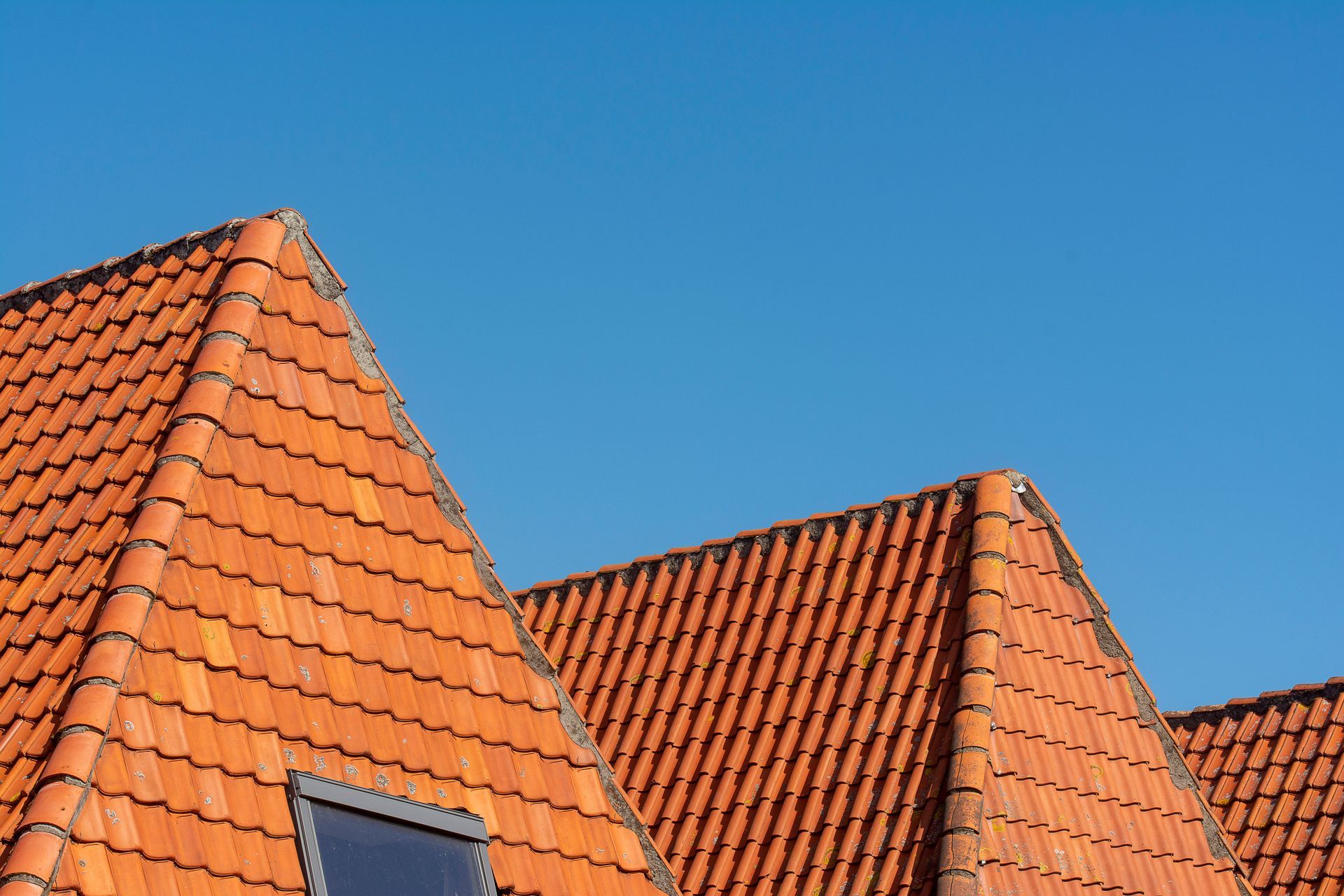
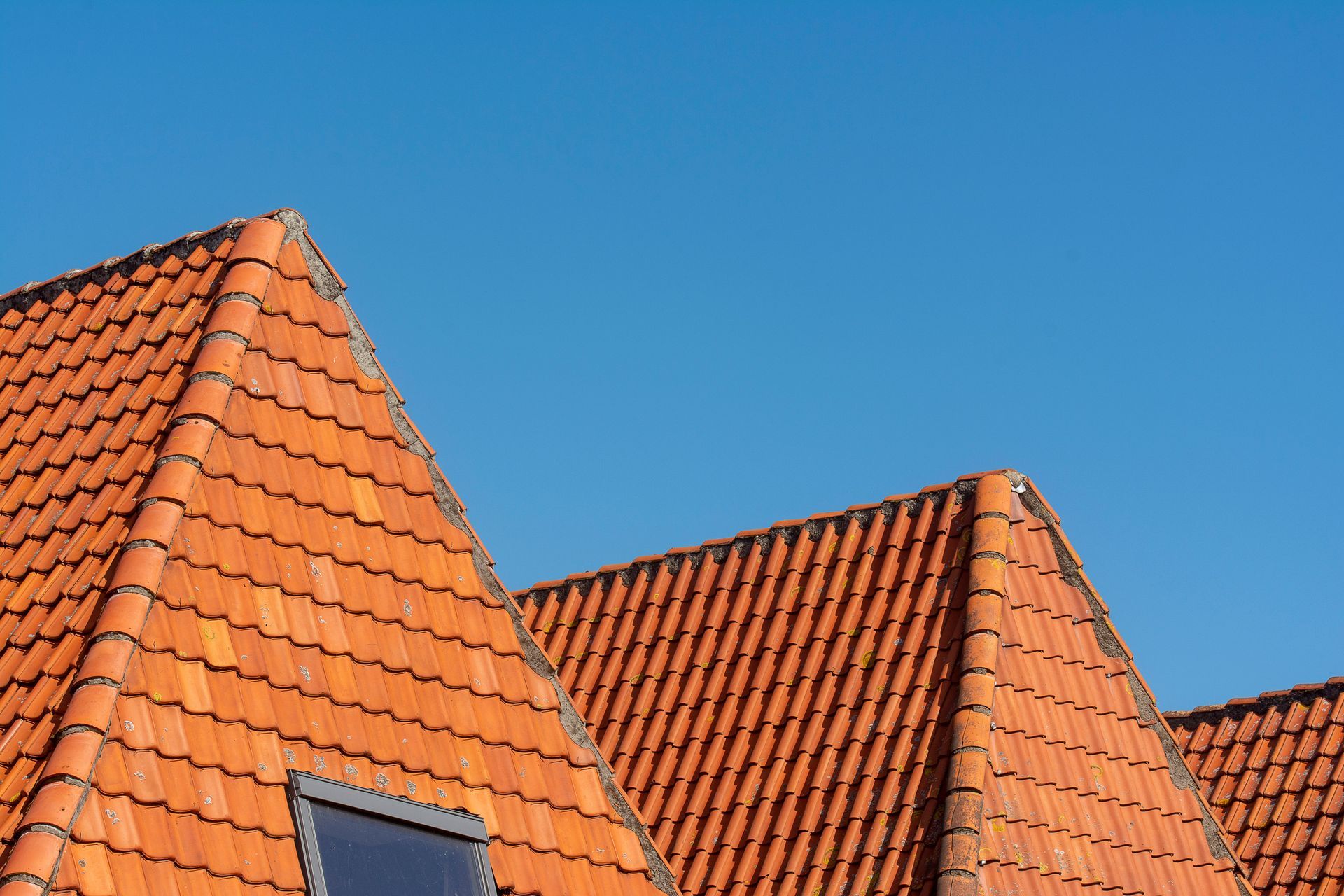
Clay pantiles arrived in Norfolk during the 17th century, imported from Holland aboard trading vessels, and they remain the material most closely associated with the county's traditional roofscape. Their curved, S-shaped profile and side-lap interlocking pattern give Norfolk's older streets their distinctive undulating look, particularly around Norwich, Wymondham and the villages bordering the Broads.
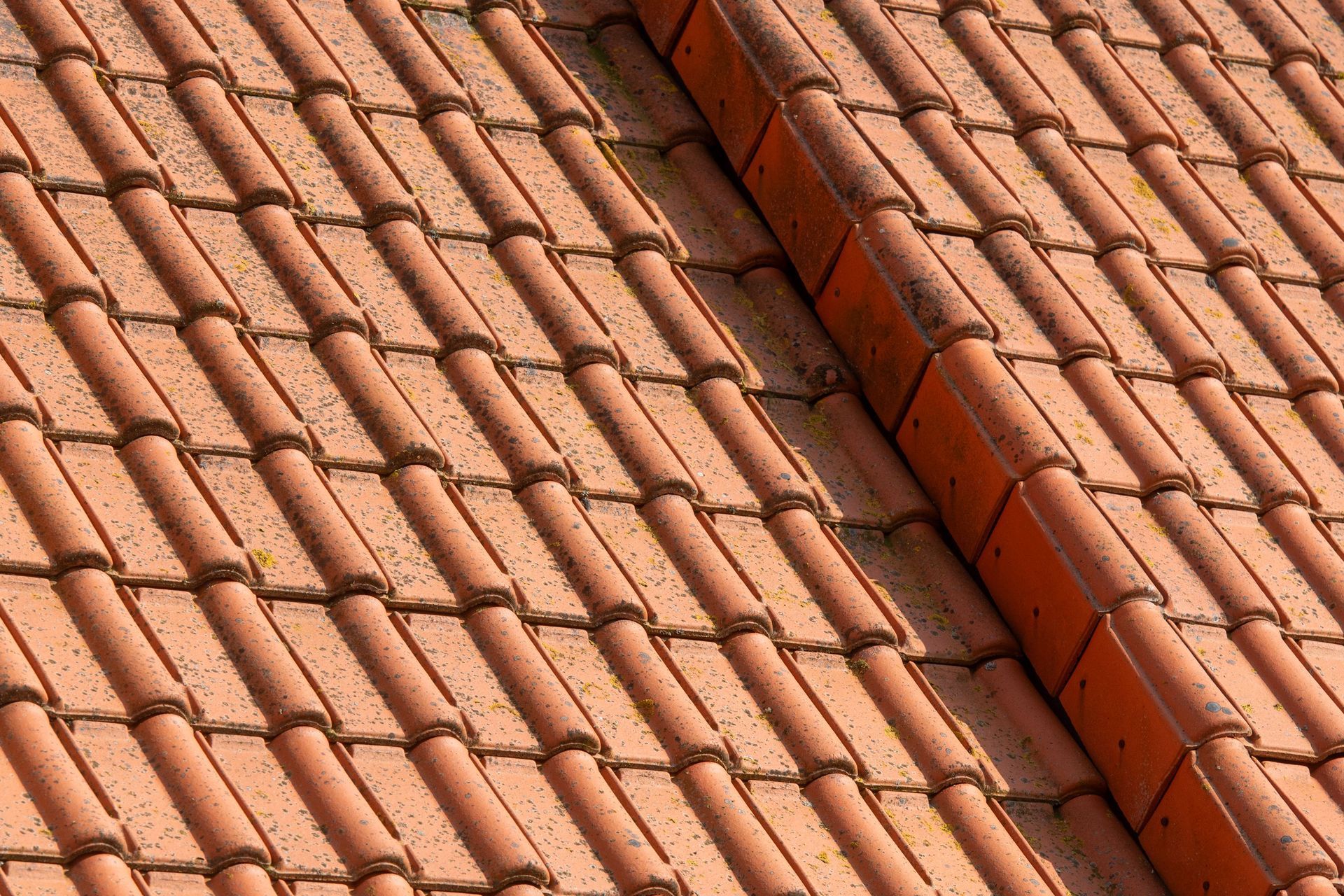
Because many of these tiles are original or many decades old, they were fired to different standards than modern equivalents and can be considerably more brittle than they look. Their curved shape also means water and debris behave differently on a pantile roof than on a flat tile, collecting in the troughs between ridges in a way that can encourage moss growth if not addressed periodically.
3. Concrete Interlocking Tiles: The Modern Norfolk Standard
Concrete interlocking tiles became the standard choice for new housing across Norfolk from the mid-20th century onward and remain common on post-war estates and newer developments in and around towns such as Dereham and King's Lynn. They lie flatter than clay pantiles and generally interlock more tightly, giving them a somewhat more uniform, less textured surface.
Concrete tiles are typically denser and less porous than older clay tiles, which makes them somewhat more tolerant of a broader range of cleaning methods. That said, concrete tiles can still develop a rough, weathered surface over time that provides a foothold for algae and lichen, particularly on north-facing slopes or roofs shaded by nearby trees.
4. Slate Roofs: Less Common but Present Across the County
Slate is less common in Norfolk than in areas closer to Welsh or Cumbrian quarries, since transporting heavy stone slate long distances was historically expensive. Where it does appear, typically on grander Victorian villas or civic buildings in towns such as Holt and parts of Norwich, slate brings its own specific considerations.
Slate tiles are fixed with nails through pre-drilled holes near the top edge, and those fixings, along with the slate itself, can become brittle with age. Slate is naturally less porous than clay or concrete, so it tends to host less moss growth overall, but any cleaning work needs to account for the risk of dislodging tiles at their fixing points rather than the tile surface itself cracking.
5. How Each Material Handles Moss and Algae Differently
Porosity is the key factor behind how quickly moss and algae establish on a given roof material. Clay pantiles, being relatively porous and often finished with a surface that ages and roughens over decades, tend to hold moisture and support biological growth more readily than denser materials. Concrete tiles sit somewhere in the middle, while slate's low porosity generally means slower growth, though not immunity from it, particularly in Norfolk's humid microclimate near the Broads.
Readers wanting more detail on why moss establishes so readily on Norfolk's traditional roofing materials specifically can find further background in why Norfolk's flint and pantile roofs are a magnet for moss.
6. Cleaning Method Differences by Material
Because of these differences in porosity and brittleness, the safest cleaning method varies considerably by material. Old clay pantiles generally respond best to a low-pressure, solution-based approach that avoids mechanical force on brittle, aged tiles. This method, often called soft washing, is covered in more detail in soft washing Norfolk's period clay pantile roofs.
Concrete tiles can generally tolerate a somewhat firmer approach, though care is still needed to avoid damaging the tile's protective coating where one is present. Slate demands particular attention to fixings and edges, since the main risk with slate is dislodging a tile rather than damaging its surface.
7. Norfolk's Climate Affects Every Material Differently
East Anglia, which includes Norfolk, is officially the driest region in the United Kingdom, yet its flat, low-lying landscape and proximity to the Broads and the North Sea keep humidity levels high between showers. That climate affects each roofing material differently: porous clay pantiles are most vulnerable to sustained dampness, concrete tiles somewhat less so, and slate least of all, though none are entirely immune.
Properties near the Broads or under mature tree cover tend to see faster biological growth regardless of roofing material, simply because the local humidity and shade outweigh whatever natural resistance the material itself provides.
Matching the Right Roof Cleaning Norfolk Approach to Material
Because Norfolk's housing stock spans everything from centuries-old clay pantile cottages to post-war concrete-tiled estates and the occasional Victorian slate roof, there is no single correct answer to how a roof should be cleaned. The right roof cleaning Norfolk approach starts with correctly identifying the material, its age, and its condition, then choosing a method suited to that specific combination rather than applying the same technique to every roof regardless of what it is made from.
Anyone dealing with blocked gutters alongside a mossy or algae-affected roof may also find it useful to read gutter cleaning across Norfolk's market towns and rural villages, since material differences affect gutter behaviour as well as the roof surface itself.
- Clay pantiles are Norfolk's traditional material , curved and porous, and generally need the gentlest cleaning approach.
- Concrete interlocking tiles are the modern standard , denser and somewhat more tolerant of moderate cleaning methods.
- Slate is less common but present on grander Norfolk properties, and needs care around fixings rather than surface pressure.
- Porosity drives how fast moss and algae establish , with clay most vulnerable and slate generally least.
- Norfolk's humid microclimate affects every material , even the least porous ones, particularly near the Broads or under tree cover.
Frequently Asked Questions
How can a homeowner tell what material their Norfolk roof is made from?
Look for the curved, S-shaped profile of clay pantiles, the flatter, more uniform look of concrete interlocking tiles, or the thin, flat, overlapping pieces typical of slate. If unsure, a professional assessment can confirm the material and its condition.
Is one roofing material easier to keep clean than another?
Generally, denser, less porous materials such as slate and modern concrete tend to resist biological growth for longer than older, more porous clay pantiles. That said, all materials will need cleaning eventually in Norfolk's humid climate, just on different timescales.
Can the same cleaning method be used on any roof material?
No, treat each material according to its specific risks. Old clay pantiles generally need a low-pressure approach to avoid cracking, concrete tiles can typically tolerate more, and slate needs particular care around fixings and edges.
Does roof material affect how often gutters need clearing?
Yes, a curved pantile roof concentrates debris differently to a flat concrete or slate roof, often creating specific points along a gutter run that collect more silt and grit than the rest.
How much does roof cleaning cost in the UK, and does material change the price?
Expect the cost to depend on roof size, pitch, material, condition, and access, since a fragile older clay roof may take longer to clean safely than a straightforward concrete-tiled roof of the same size. Ask for a clear quote after an assessment rather than assuming a flat rate across all materials.
Should a mixed-material roof, such as a pantile extension on a concrete-tiled house, be cleaned differently in different areas?
Yes, treat each section according to its own material rather than applying one method across the whole roof. A gentler approach on the older pantile section protects it, while the concrete section can generally be cleaned with a slightly firmer method.
Not sure what your roof is made from, or how it should be cleaned? Ben's Roof Cleaning works across Norfolk with clay pantile, concrete and slate roofs alike. Get in touch through the contact page or call 0132 880 0373 to arrange an assessment.
Getting the Material Right Is the First Step to Cleaning It Properly
Norfolk's roofscape is genuinely varied, from centuries-old clay pantile cottages to concrete-tiled post-war estates and the occasional slate-roofed villa, and that variety means there is no single cleaning method that suits every property in the county. Identifying the material correctly, understanding its particular vulnerabilities, and matching the cleaning approach to those vulnerabilities is what separates a roof that stays in good condition for decades from one that picks up avoidable damage from the wrong technique. Whatever a Norfolk roof is made from, treating that material on its own terms is the foundation of getting the cleaning right.